
The Messy Reality of Natural Spill Remediation
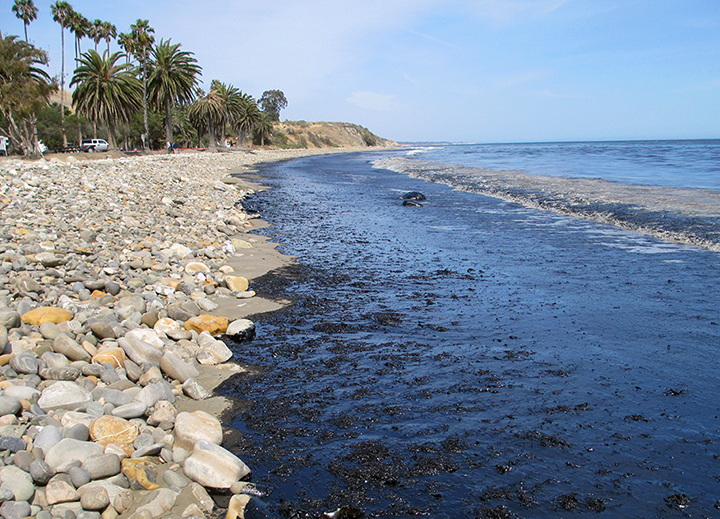
We spend billions developing synthetic chemicals to clean up crude oil, but honestly, a burlap sack stuffed with human hair usually works better. Actually, let me back up—I’ve spent years watching emergency responders dump industrial dispersants onto coastal spills. It always looks great on the evening news. The surface slicks break up, the water looks clear again, and the corporate PR teams pat themselves on the back. But underneath? Total ecological collapse. The chemicals don’t remove the oil; they just break it into microscopic toxic droplets that sink to the seafloor and poison the benthic zone for decades.
There is a better way. It’s just not glamorous. It involves mud, fungi, sheep’s wool, and bacteria. Natural cleaning—specifically biosorption and bioremediation—is the only approach I’ve seen that actually removes heavy hydrocarbons from an ecosystem instead of just hiding them.
The Superiority of Biosorbents
When heavy crude hits a shoreline, the default corporate response is to deploy miles of white polypropylene booms. They are expensive, they generate massive amounts of microplastic pollution, and frankly, they suck at their job.
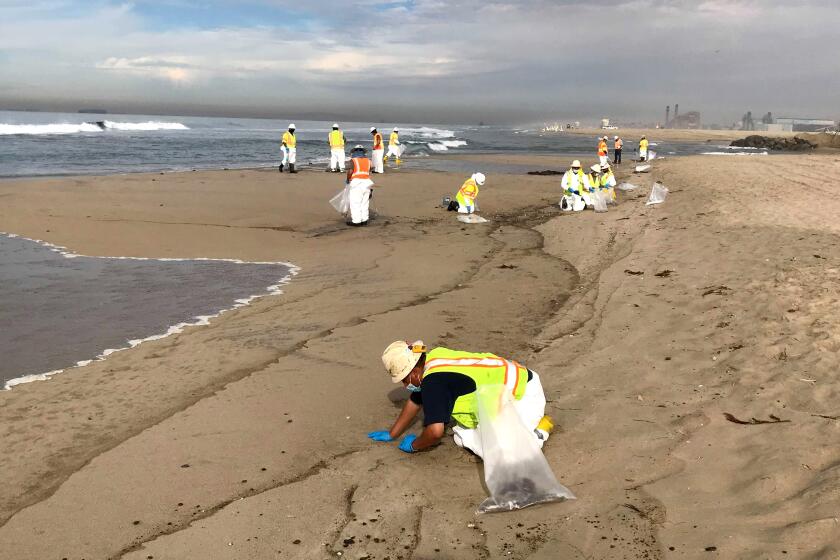
I ran a bench test in late January comparing standard commercial polypropylene booms against compressed raw sheep’s wool on heavy crude. The results weren’t even close. The synthetic boom absorbed about 8x its weight before hitting total saturation. The raw wool hit 15x. But here is the part that actually matters in the field: when I hoisted the wool out of the test tank, it held onto the toxic sludge. The synthetic boom just let half the oil drip right back into the water. It was infuriating to watch. And yes, before you ask, I’ve seen local coastal communities figure this out on their own, using whatever is lying around—dried peat moss, coconut husks, even pine needles. These natural materials are highly oleophilic (oil-attracting) and hydrophobic (water-repelling). They bind the tar into solid, manageable clumps you can actually scoop out with a shovel.
Microbes: Nature’s Cleanup Crew
Once you get the bulk of the tar out of the sand, you’re left with the invisible contamination. This is where you have to let biology take over.
Hydrocarbon-degrading bacteria like Alcanivorax borkumensis are basically nature’s oil-eaters. They literally consume alkanes and spit out harmless fatty acids. Sounds perfect. You just spray them on the beach and go home, right?
Not quite. But probably the biggest gotcha is the temperature sensitivity. If you are using laboratory-cultivated A. borkumensis (specifically the popular SK2 strain), it is incredibly sensitive to environmental drops. If your water temperature dips below 12°C, the SK2 strain essentially goes dormant. I learned this the hard way during a winter cleanup trial a few years back. We sprayed thousands of dollars of microbial cultures onto a contaminated shoreline, and absolutely nothing happened. The oil just sat there. You end up with a very expensive, very useless microbial soup unless you actively supplement the area with nitrogen and phosphorus fertilizers to keep their metabolic rates running hot despite the cold.
Mycelium Networks in the Soil
For soil that’s been soaked in diesel or motor oil, bacteria alone won’t cut it. You need fungi.
Oyster mushrooms (Pleurotus ostreatus) produce specific enzymes—peroxidases—that shatter the tough carbon-hydrogen bonds found in petroleum products. And yes, before you ask, the resulting mushrooms are entirely non-toxic. The oil is broken down at a molecular level, not just absorbed. (Though I still wouldn’t eat them, just out of principle).
Where We Go From Here
The high-tech, chemical-first approach to environmental cleanup is a dead end. We are just replacing one poison with another.
But I expect we’ll see a massive regulatory shift away from synthetic dispersants by Q1 2027. The secondary toxicity data from recent coastal spills is getting too damning for the industry to ignore anymore. Regulatory bodies are finally starting to realize that the people living on these coastlines—the ones using peat moss and local fungi to clean their own beaches while the oil companies deny responsibility—have had the right idea all along.
Nature spent a billion years figuring out how to break down complex carbon structures. We should probably stop spraying synthetic surfactants on everything and just let the dirt do its job.
Archives
- March 2026
- February 2026
- January 2026
- December 2025
- November 2025
- October 2025
- September 2025
- August 2025
- July 2025
- June 2025
- May 2025
- April 2025
- March 2025
- February 2025
- November 2024
- October 2024
- July 2024
- January 2024
- October 2023
- September 2023
- August 2023
- July 2023
- June 2023
- May 2023
- April 2023
- March 2023
- February 2023
- January 2023
- December 2022
- November 2022
- October 2022
- September 2022
- August 2022
- June 2022
- May 2022
- April 2022
- March 2022
- January 2022
- December 2021
- November 2021
- October 2021
- August 2021
- November 2020
- July 2020
- May 2020
- April 2020
- March 2020
- August 2018
- July 2018
- June 2018
- April 2018
- March 2018
Categories
- Aftercare Procedures
- Age Groups
- AI/ML
- Alternative Medicine
- Ambient Computing
- Animal Health
- Animal Husbandry
- Animals
- Anti-Aging
- API Development
- Architectural Design
- Art And Technology
- Auditory Science
- Augmented Reality
- Automation
- Babies
- Baby
- Beauty & Skincare
- Beauty Industry
- Biohacking
- Biomechanics
- Bioremediation
- Biosorption
- Book Reviews
- Breastfeeding
- Budgeting
- Budgeting Strategies
- Business
- Cardiovascular Health
- Career Advice
- Career Development
- Career Growth
- Cats
- Chess
- Chronobeauty
- Circular Economy
- Civic Technology
- Cleaning Tips
- Cloud Computing
- Cognitive Health
- Cognitive Performance
- Cognitive Science
- Community
- Community Building
- Community Engagement
- Community Living
- Computer Vision
- Consumer Guides
- Consumer Trends
- Container Gardening
- Content Analysis
- Content Non-Technical
- Content Strategy
- Cooking Techniques
- Cooking Tips
- Copyright Law
- Cosmetic Chemistry
- Cultural Events
- Cycling
- Data Analysis
- Data Engineering
- Data Governance
- Data Science
- Database
- Demographic Modeling
- Design Psychology
- Design Trends
- Developer Productivity
- Diet
- Diet
- Diet And Nutrition
- Digital Identity
- Digital Media
- Digital Wellbeing
- DIY
- DIY Projects
- Dogs
- Eco-Friendly Living
- Engineering Culture
- Entertainment News
- Environmental Engineering
- Environmental Impact
- Environmental Science
- Equity Compensation
- Ethical AI
- Exercise
- Exercise Science
- Exercise Technique
- Exotic Pets
- Fall Gardening
- Family
- Family Health
- Family Life
- Fashion Business
- Fashion Industry
- Fashion News
- Fashion Tech
- Financial Analysis
- Financial Optimization
- Financial Planning
- Flooring Maintenance
- Food
- Food Psychology
- Food Safety
- Food Science
- Food Tech
- Functional Fitness
- Functional Training
- Future Of Work
- Garden Care
- Garden Maintenance
- Gardening Tips
- Generative AI
- Geospatial Data
- Gig Economy
- Greece
- Greek
- Greek Food
- Green Technology
- Gymnastics
- Hardware Engineering
- Health
- Health & Wellness
- Health And Wellness
- Health Informatics
- Health Science
- Health Tech
- Health Technology
- Healthcare
- Healthcare Analytics
- Healthcare Management
- Healthy Eating
- Healthy Recipes
- Holistic Health
- Holistic Wellness
- Home & Living
- Home Decor
- Home Financing
- Home Health
- Home Improvement
- Home Maintenance
- Home Organization
- Home Styling
- Horticulture
- Household Chemistry
- Identity Management
- Indian Cuisine
- Indoor Gardening
- Industrial Design
- Industry Analysis
- Infant Nutrition
- Infrastructure Management
- Ingredient Deep Dive
- Integrative Health
- Integrative Medicine
- Interior Design
- Internet of Things
- Internet of Things (IoT)
- Invalid Request
- Investment Strategies
- Investment Strategy
- IoT
- Kids
- Leadership Development
- Learning Strategies
- Lifestyle
- Lifestyle Brands
- Lifestyle News
- Lifestyle Optimization
- Literary Criticism
- Literature
- Logistics Management
- Machine Learning
- Material Science
- Materials Science
- Meal Planning
- Media Analysis
- Meditation
- Mental Health
- Mental Performance
- Mental Wellness
- Miami
- Miami Food
- Mind And Body
- Minimalism
- Mobile Development
- Natural Cleaning
- Neuroscience
- No Applicable Categories
- Nursing
- Nutrition
- Nutrition News
- Open Source
- Operating Systems
- Operational Resilience
- Opinion
- Organization Tips
- Outdoor Living
- Over 40
- Over 50
- Over 60
- Parenting
- Parenting
- Parenting Strategies
- Performance
- Performance Optimization
- Personal Development
- Personal Finance
- Personal Growth
- Personal Productivity
- Pet Care
- Pet Safety
- Philosophy
- Plant Care
- Politics
- Product Formulation
- Productivity
- Productivity Engineering
- Protein
- Psychology
- Psychology of Space
- Quantified Self
- Reading Culture
- Real Estate Investment
- Recipe Development
- Recipes
- Regulatory Compliance
- Remote Work
- Renovation Planning
- Resource Management
- Respiratory Health
- Responsible Pet Ownership
- Retail Strategy
- Retail Technology
- Robotics
- Science
- Seafood
- Seasonal Gardening
- Security
- Sedentary Health
- Self-Care
- Skincare Science
- Skincare Trends
- Sleep
- Sleep Health
- Smart Home
- Smoothies
- Social Impact
- Social Media Analytics
- Soft Skills
- Soil Health
- Spatial Computing
- Spatial Design
- Stress Management
- Supplements
- Sustainability
- Sustainability Science
- Sustainable Engineering
- Sustainable Fashion
- Sustainable Living
- Systems Engineering
- Tax Optimization
- Tax Strategy
- Tech Investment
- Technical Writing
- Technology Law
- Testing
- Travel
- Travel News
- Travel Safety
- Travel Tips
- Trend Analysis
- Tropical Plants
- Uncategorized
- Urban Gardening
- Urban Planning
- User Experience
- Veggie
- Vietnam
- Virtual Events
- Volunteering
- Wealth Management
- Wearable Technology
- Web Development
- Wellness
- Wellness Technology
- Winter Gardening
- Work-Life Balance
- Workplace Culture
- Workspace Setup
- World
- Writing
- Writing Skills
- Year In Review
- Yoga
- Yoga News
- Zero Waste

Leave a Reply