
Why Your Low-Oil Curries Taste Like Wet Cardboard
I’ve had my fair share of kitchen mishaps with chana masala. Just last Tuesday, I ruined three batches in a row. Trying to make a decent weeknight curry without the standard half-cup of oil that every restaurant recipe demands is no easy feat — the results were aggressively bad.
If you’ve ever tried to cook “healthy” Indian food, you know exactly what I’m talking about. You try to sauté onions in a dry pan, they stick, they burn, and then you panic and throw in water. Congratulations, you are now boiling your onions. The end result tastes like a sad, spiced soup. It’s the kind of meal that makes you want to immediately order takeout.
Actually, let me back up — I spent most of last month obsessing over this. My goal wasn’t to hit some arbitrary diet metric, I just wanted to stop feeling sluggish after eating my favorite foods. And you know what? I finally cracked it. I cut my household’s weekly cooking oil consumption from about 250ml down to barely 40ml, and the food actually tastes better now.
The trick isn’t magic. It’s just understanding what the oil is actually doing in the pan.
The Fat-Soluble Flavor Problem
Here is the biggest mistake everyone makes when trying to cook low-oil recipes: they treat oil like it’s just a non-stick coating for the pan. But it’s not. In Indian cooking, oil is a solvent. Most of the flavor compounds in cumin, coriander, turmeric, and mustard seeds are fat-soluble. If you just dump dry spices into a dry pan or a pot of watery tomato sauce, those flavor molecules stay locked up. They never bloom. You get the dusty texture of the spice without any of the actual aroma.
I learned this the hard way. I tried air-frying my spices. Do not do this. I was using my Ninja Foodi Smart XL (the one with the January 2026 v1.14 firmware update that finally lets you bypass the annoying pre-heat cycle), and I threw some cumin seeds in there to toast. They turned into bitter little charcoal pellets in exactly 47 seconds. My kitchen smelled like a burning tire.
You need *some* fat. You just don’t need to waste it on the onions.
The Water-Sauté (That Doesn’t Suck)
Look, onions don’t need oil to caramelize. They just need heat, time, and a way to stop them from sticking to the metal.
I’ve been running my tests on a standard induction cooktop using a heavy-bottomed stainless steel pan. If you try this with a scratched Teflon pan from five years ago, everything is gonna stick and you’ll end up eating microplastics. Use stainless steel.
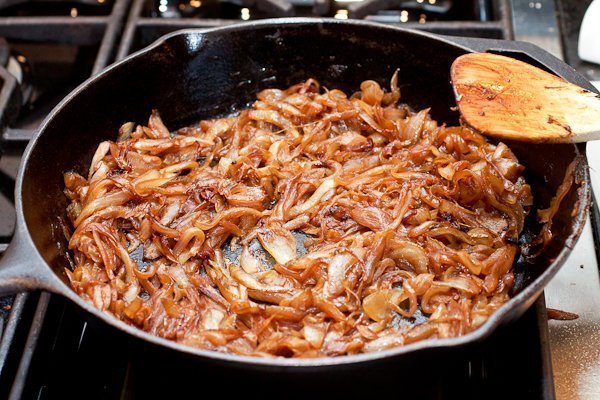
Get the pan hot. Drop in your diced onions dry. Let them sit for a minute until they start to brown and stick. Then—and this is the whole trick—add exactly one tablespoon of water. Just 15ml. It instantly deglazes the pan, scraping up the browned bits and coating the onions in their own sugars. When that water evaporates and they stick again? Add another tablespoon.
Keep doing this. It takes about 12 minutes. You’ll end up with deeply browned, sweet, jammy onions, and you haven’t used a single drop of oil yet.
The Micro-Tadka Strategy
So if we aren’t using oil for the base, where does the flavor come from? We save our fat budget for the very end. In Indian cooking, this is called a tadka (or chaunk). It’s the process of tempering whole spices in hot fat and pouring it over the finished dish. Most traditional recipes start with oil *and* end with a tadka. We’re just skipping the first part.
By saving your oil for the end, you get maximum aromatic impact. The oil hits your tongue first when you eat, tricking your brain into thinking the whole dish is rich and decadent.
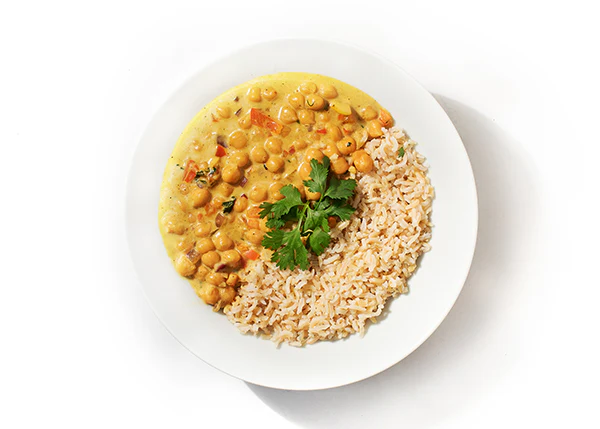
Here is my exact workflow for a Tuesday night Dal (yellow lentils) that tastes like it came from a restaurant, using exactly one teaspoon of ghee:
1. Wash a cup of yellow moong dal. Throw it in a pressure cooker with 3 cups of water, a pinch of turmeric, and some salt. Cook it for 14 minutes. Let the pressure release naturally.
2. While that’s happening, do the water-sauté trick with an onion and some grated ginger and garlic in a separate pan. Once they’re brown, toss in a chopped tomato. The juice from the tomato will act as your deglazing liquid. Cook it down until it’s a thick paste.
3. Mix the onion-tomato paste into the cooked lentils.
4. Now, the crucial part. The Micro-Tadka. Get the smallest pan you own. Put exactly one teaspoon of ghee in it. Get it ripping hot—around 320°F (160°C) if you have an infrared thermometer, but basically just until it shimmers. Drop in half a teaspoon of cumin seeds. They should aggressively crackle immediately. If they don’t, your ghee was too cold. Wait three seconds, turn off the heat, and throw in a pinch of red chili powder.
5. Immediately pour that spiced ghee over the pot of lentils. It will sizzle violently. Put the lid on the pot right away to trap the smoke and aroma. Leave it for two minutes.
The Reality Check
I’m not going to pretend this tastes 100% identical to the dal makhani at your local buffet that’s literally half butter by volume. But for everyday cooking? This method is a lifesaver. You get 90% of the flavor profile with maybe 10% of the heavy fats. I’ve started adapting this for chicken curries, aloo gobi, and even basic pasta sauces (swapping the ghee/cumin for olive oil/garlic at the very end).
The main gotcha I run into is temperature control during the tadka phase. Because you’re using such a tiny amount of fat, it goes from “perfectly toasted” to “burnt trash” incredibly fast. Seriously, you have about a three-second window. Have your spices measured out in a little bowl before you even turn the stove on. If you’re fumbling with spice jars while the ghee is hot, you’ve already lost.
Give the water-sauté a try next time you’re making a base gravy. It feels deeply unnatural the first time you do it, watching onions cook in a dry pan. But once you realize you don’t need a quarter-cup of canola oil just to soften an onion, it kind of changes how you look at every recipe on the internet.
Common questions
How do you caramelize onions without oil for Indian curries?
Use a hot, heavy-bottomed stainless steel pan and drop diced onions in dry. Let them brown and stick, then add exactly one tablespoon (15ml) of water to deglaze, coating the onions in their own sugars. Repeat each time they stick. After about 12 minutes you get deeply browned, sweet, jammy onions without using any oil.
Why do low-oil curries taste bland even with lots of spices?
Most Indian spice flavor compounds in cumin, coriander, turmeric, and mustard seeds are fat-soluble. When you dump dry spices into a dry pan or watery tomato sauce, those flavor molecules stay locked up and never bloom. You get the dusty texture of the spice without the actual aroma, which is why cooks treat oil as a non-stick coating and lose flavor.
What is a micro-tadka and how do you make one for dal?
A micro-tadka saves your fat budget for the end of cooking. Heat one teaspoon of ghee in the smallest pan you own until it shimmers around 320°F (160°C), drop in half a teaspoon of cumin seeds so they crackle immediately, wait three seconds, turn off the heat, add a pinch of red chili powder, then pour it over the finished dal and cover.
Can you toast Indian spices in an air fryer instead of a pan?
No, this does not work. The author tested it in a Ninja Foodi Smart XL with the January 2026 v1.14 firmware, throwing cumin seeds in to toast. They turned into bitter charcoal pellets in exactly 47 seconds and the kitchen smelled like a burning tire. Spices need controlled hot fat contact, not dry circulating air, to bloom properly without burning.
You may also like

Leave a Reply