
Your Local Creek Just Got a Lawyer: The Tech of Bioregional Stewardship
Stop Trying to “Manage” Nature. It Doesn’t Work.
I spent three hours last Tuesday staring at a zoning map, trying to figure out why a simple retaining wall permit was getting flagged by three different municipal databases. It was a mess. Red lines, blue zones, overlay districts. But then I realized something that made me shut my laptop and just stare out the window for a solid minute: the map was wrong. Not geographically wrong—the coordinates were fine—but conceptually broken.
We still map our communities like we’re playing a board game. We draw lines. We say “this square is mine, that square is yours.” We treat the creek running behind the subdivision like it’s just… plumbing. Infrastructure. A thing to be managed, piped, or insured against.
But that’s changing fast. And honestly? It’s about time.
If you’ve been paying attention to the legal frameworks shifting in places like New Zealand or even parts of South America over the last decade, you know what I’m talking about. The idea that a natural feature—a river, a mountain, a forest—can hold legal personhood isn’t just poetic activism anymore. It’s hard law. And in 2026, it’s becoming a technical reality for community planning.
We are finally moving from “ownership” to “stewarding,” and the tech stack required to support that shift is fascinating, messy, and completely necessary.
The “Legal Person” Glitch
Here’s the core problem with traditional community planning: it assumes humans are the only active players. Everything else is just scenery or resources.
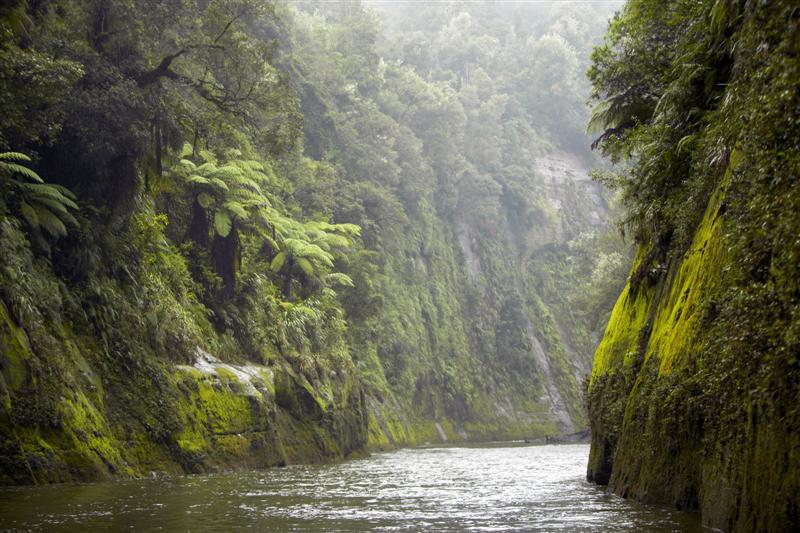
But when a legal system recognizes a river as a living entity—like the Whanganui precedent set years ago—the whole “master plan” approach falls apart. You can’t just zone a person. You have to negotiate with them.
I’ve been watching how some progressive townships are handling this. They aren’t just passing symbolic resolutions. They are actually rewriting their municipal charters to include non-human entities as stakeholders with voting rights, exercised by human guardians. It sounds wild, I know. But it solves a massive technical debt in how we run cities.
When you treat a watershed as a stakeholder rather than a resource, you stop asking “How much water can we take?” and start asking “What does the system need to survive?” The math changes. The engineering constraints change.
Building APIs for Nature
This is where the tech gets interesting. If a river has rights, how does it speak? It doesn’t have a mouth. It has data.
I visited a pilot project recently—I won’t name the specific town because they’re tired of the press, but it’s in the Pacific Northwest—where they’ve effectively built a “nervous system” for their local watershed. We’re talking thousands of distributed IoT sensors measuring flow rates, dissolved oxygen, turbidity, and biological diversity in real-time.
But here’s the kicker: they didn’t just dump this data into a CSV file for some grad student to analyze three years later. They piped it into a governance dashboard.
If the dissolved oxygen drops below a certain threshold, the “River” (via its automated legal trust) automatically flags pending construction permits upstream. It’s an automated injunction based on biological telemetry. No judge required. The code *is* the law.
Is it perfect? No. It’s incredibly annoying for developers. I have a friend who works in construction there, and he complains constantly that “the river vetoed my parking lot.” But that’s the point. It forces a conversation. It forces the community to live *with* the ecosystem, not just on top of it.
The Stewardship Model vs. The Ownership Model
This shift fundamentally breaks the “King of the Castle” mentality of property ownership. And look, I own a house. I like my fence. I like knowing where my lawn ends. But that model is proving to be disastrous for long-term community resilience.
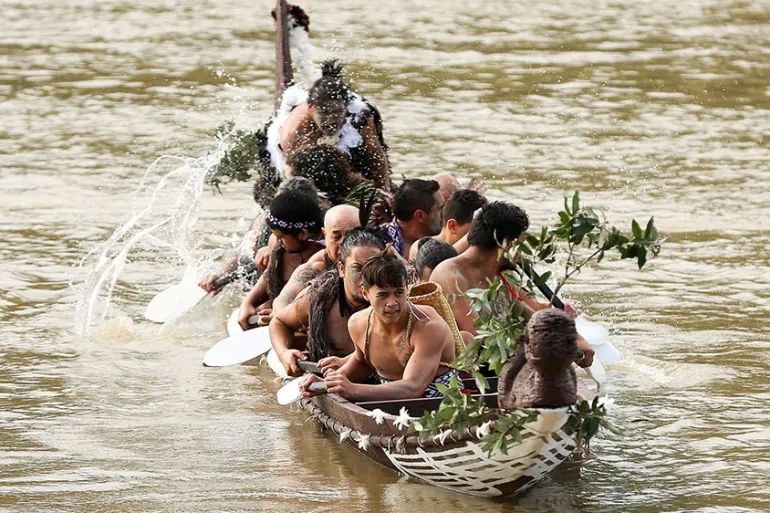
When we look at Indigenous knowledge systems—particularly from Māori traditions—there’s this concept that you belong to the land, the land doesn’t belong to you. Western property law is basically the opposite. It’s been about extraction and exclusion.
Merging these two worldviews is the hardest UX challenge of the decade.
We are seeing new types of HOAs (Home Owners Associations) emerging that function more like land trusts. Instead of fining you for having the wrong shade of beige paint, these associations are chartered to protect the ecological function of the neighborhood. Your “dues” might go toward restoring a wetland buffer rather than repaving a perfectly good tennis court.
I’ve seen contracts now where the deed restriction isn’t about maintaining property value—it’s about maintaining soil health. You buy the house, but you sign a stewardship agreement for the dirt.
The Messy Reality of Living with a “Living” River
Let’s not romanticize this. It’s hard work.
Democracy is slow. Bioregional democracy is even slower. When you give legal standing to a forest, you invite conflict. Suddenly, the “community” includes the trees, and the trees might have a lawyer who says your proposed bike path disrupts a mycelial network.
I sat in on a town hall last month via Zoom where people were screaming at each other about “rights of way” versus “rights of flow.” It was chaotic. It was frustrating. It was also the most honest conversation about civil engineering I’ve ever heard.
The old way was efficient because it ignored the externalities. We just paved over the wetlands and wondered why our basements flooded ten years later. The new way—this “community living with nature” model—front-loads the pain. You have the arguments *before* you pour the concrete.
What This Means for You (Yes, You)
You might think this is just high-level policy stuff that won’t touch your cul-de-sac. You’d be wrong.
Insurance companies are already starting to price this in. They have better data than the government. They know which communities are destroying their natural flood defenses and which ones are protecting them. I’ve seen premiums drop in areas that adopted strict stewardship charters because the risk models show they are less likely to be underwater in 2030.
If you’re looking at buying property or joining a community in 2026, don’t just look at the school district ratings. Look at the ecological governance.
- Check the charter: Is there a legal mechanism for ecosystem protection?
- Look for the sensors: Is the community monitoring its own health, or flying blind?
- Ask about the guardians: Who speaks for the land when there’s a dispute?
The Future is Biocentric
We spent the last century trying to conquer nature with concrete and steel. We’re going to spend the next one trying to integrate with it using silicon and sensors. The communities that figure this out—the ones that treat their local geography as a partner rather than a platform—are going to be the ones that survive the volatility of the next few decades.
It’s not just about being “green.” It’s about being smart. A dead river can’t support a living community. We realized that a bit late, but at least we’re writing the code to fix it now.
So next time you walk by that creek in your neighborhood, don’t just look at it. Listen to it. It might have more legal rights than you think.
You may also like


Leave a Reply