

Navigating the Tropics: A Comprehensive Guide to Travel Safety Amidst Emerging Mosquito-Borne Health Risks
Introduction
The allure of tropical destinations is undeniable. From the azure waters of the Caribbean to the lush rainforests of South America, these regions offer a respite from the daily grind, promising relaxation and adventure. However, recent developments in Travel News have highlighted a growing concern for globetrotters: the resurgence and spread of untreatable mosquito-borne diseases. Health officials have recently flagged specific tropical regions where outbreaks are occurring, urging travelers to exercise extreme caution. Unlike bacterial infections that succumb to antibiotics, many of these viral pathogens currently lack specific treatments or vaccines, making prevention the only viable defense.
For the modern traveler, this shifts the paradigm from simple vacation planning to strategic risk management. It is no longer enough to book a flight and a hotel; one must now integrate Health & Wellness strategies into their itinerary. This article aims to provide an in-depth analysis of the current landscape of vector-borne diseases, offering actionable advice for those refusing to let fear clip their wings. By combining Lifestyle News with rigorous safety protocols, we can explore the world responsibly. Whether you are a digital nomad seeking Remote Work locations or a family looking for Parenting Tips on keeping children safe abroad, understanding these risks is the first step toward a safe journey.
Section 1: The Evolving Landscape of Vector-Borne Diseases
To navigate the current travel climate, one must understand the enemy. The term “untreatable” in medical contexts often refers to viral infections for which there are no direct antiviral medications; treatment is supportive, meaning it focuses on relieving symptoms like pain and dehydration while the immune system fights the virus. Recent advisories have focused on the Oropouche virus (often dubbed “sloth fever”), Dengue, and Zika, which are spreading in parts of the Americas and the Caribbean.
The Biological Context
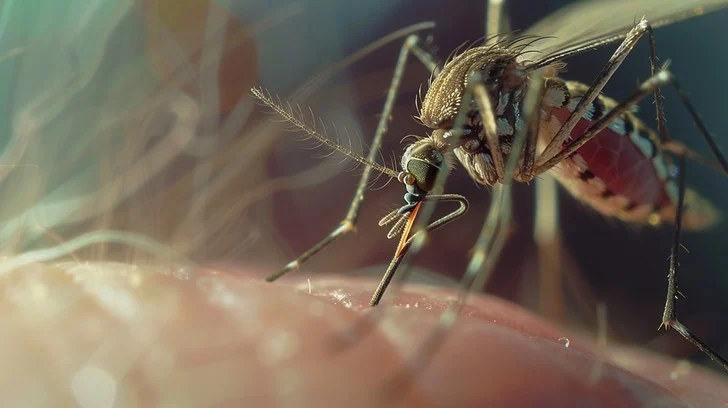
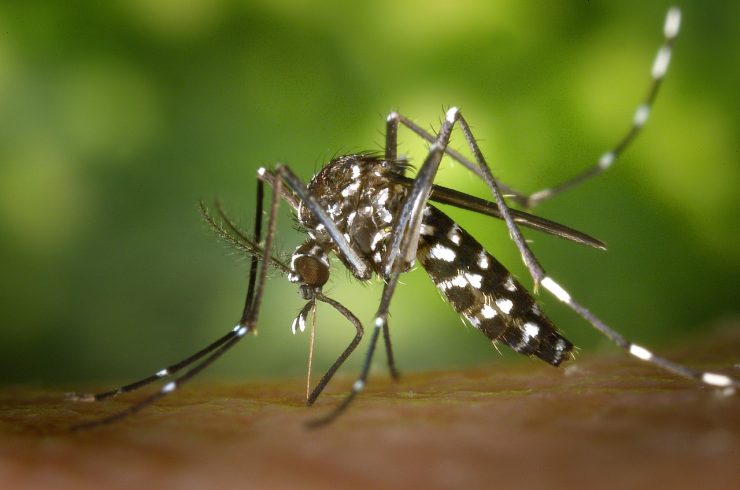
The primary vectors are the Aedes aegypti mosquito and, in the case of Oropouche, the Culicoides paraensis midge. These insects thrive in warm, humid environments—the very places popular for tourism. Eco-Friendly Living and Sustainable Living advocates have long noted that climate change is expanding the habitable zones for these vectors, allowing them to breed in higher altitudes and latitudes than previously seen. Furthermore, urbanization and poor water management create ideal breeding grounds.
Comparative Analysis of Risks
Understanding the difference between these threats is crucial for Personal Development and health literacy:
- Dengue Fever: Often called “breakbone fever” due to severe joint pain. While most recover, severe cases can be fatal. There is a vaccine, but it has limitations.
- Zika Virus: Mild for most, but catastrophic for pregnant women due to birth defects. This has massive implications for Family Life and couples planning for children.
- Oropouche Virus: The current headline-maker. Symptoms mimic Dengue (fever, headache, stiff joints). It is currently untreatable and lacks a vaccine, requiring strict avoidance of bites.
This biological reality impacts everything from Investment News—as pharmaceutical companies race for vaccines—to Social Impact initiatives aimed at controlling vector populations in vulnerable communities. For the traveler, it means that Holistic Health approaches must be paired with rigorous scientific prevention methods.
Section 2: Pre-Travel Preparation and Strategic Planning
Preparation is the bedrock of safe travel. Integrating Financial Planning and Organization Tips into your pre-trip routine can mitigate risks significantly. Here is a detailed breakdown of how to prepare for a trip to high-risk tropical zones.
Medical and Financial Readiness
Before booking, consult Personal Finance strategies. Medical evacuations can cost upwards of $100,000. Standard health insurance rarely covers international air ambulance services.
Best Practice: Purchase comprehensive travel insurance that specifically covers pandemics and infectious diseases. Treat this purchase as essential Investment News for your personal safety portfolio. Additionally, visit a travel clinic 4-6 weeks prior to departure. While there may not be a vaccine for the specific “untreatable” virus making headlines, ensuring you are vaccinated against Yellow Fever, Typhoid, and Hepatitis A is vital to prevent co-infections that could overwhelm your immune system.
The Art of Packing: Fashion Meets Function
Fashion News rarely covers mosquito nets, but in this context, clothing is your first line of defense. The era of Sustainable Fashion offers excellent options for protective gear.
Specifications for Protective Clothing:
- Material: tightly woven synthetics or treated cotton.
- Color: Light colors (khaki, beige, white). Mosquitoes are attracted to dark colors like black and navy.
- Treatment: Clothing pre-treated with Permethrin. This is a game-changer. It kills ticks and mosquitoes on contact.
For those interested in DIY Projects, you can purchase Permethrin spray and treat your own clothes. This is a practical Home Improvement skill applied to travel. Ensure you follow safety instructions, keeping the chemical wet away from cats (per Pet Care guidelines) until dry.
Chemical Defense: Repellents
In the realm of Beauty & Skincare, insect repellent is the most critical product you will pack.
Comparison of Active Ingredients:
- DEET (20-30%): The gold standard. Highly effective but can damage plastics (sunglasses, watch bands).
- Picaridin (20%): As effective as DEET but odorless and safe on gear. A favorite for those who dislike the greasy feel of DEET.
- Oil of Lemon Eucalyptus (OLE): A viable option for those prioritizing Natural Beauty and Green Living. It is CDC-approved but requires more frequent reapplication than DEET.
Section 3: On-the-Ground Safety and Wellness Strategies
Once you arrive, your daily routine must adapt. This doesn’t mean you cannot enjoy Entertainment News or local culture; it simply means adopting a mindset of “defensive relaxation.”
Accommodation and Environment
Your choice of lodging is a critical Home Security decision.
Checklist for Safe Lodging:
- Screens: Are windows and doors fitted with intact screens? If not, do not open them.
- Air Conditioning: Mosquitoes generally avoid cool, air-conditioned rooms.
- Bed Nets: If you are staying in eco-lodges or open-air accommodations, a bed net is non-negotiable.
For those interested in Interior Design and Home Decor, observe how tropical architecture often integrates airflow while attempting to block pests. However, during outbreaks, function must trump form. If you are renting a private villa, apply Cleaning Tips immediately: eliminate standing water in flower pots or saucers, which aligns with Gardening Tips for vector control.
Lifestyle Adjustments
Mindfulness and Meditation practices can help manage the anxiety of potential illness, but practical adjustments are necessary.
Peak Bite Times: Aedes mosquitoes are aggressive day-biters, particularly early morning and late afternoon. The midges that carry Oropouche are also active during the day.
Diet and Immunity: While no food repels mosquitoes (despite myths about garlic), maintaining peak health is vital. Follow Nutrition News and focus on Healthy Recipes rich in antioxidants to keep your immune system robust. Avoid excessive alcohol, which can dilate blood vessels and potentially make you more attractive to insects, and focus on Meal Planning that ensures you are eating cooked, hot foods to avoid foodborne illnesses that could complicate a diagnosis.
Digital Nomad Considerations
For those balancing Work-Life Balance via Remote Work, ensure your workspace is safe. Do not sit outdoors with your laptop for hours without protection. The heat generated by Technology for Home and office devices can actually attract insects. Use fans; mosquitoes are weak fliers, and a strong oscillating fan is an excellent, chemical-free deterrent—a prime example of Smart Home thinking applied to travel.
Section 4: Implications, Monitoring, and Community Responsibility
Returning home does not signal the end of risk management. The incubation period for many of these diseases ranges from 3 to 14 days. This period requires vigilance, impacting Relationships and Community Living.
Post-Travel Health Monitoring
If you develop a fever, rash, joint pain, or red eyes within two weeks of returning, seek medical attention immediately.
Critical Step: Tell your doctor your travel history. Many Western doctors may not immediately suspect Oropouche or Zika without this context. This is where Self-Improvement through education saves lives.
Protecting Your Community
If you are infected, you become a reservoir. If a local mosquito bites you during the viremic phase (when the virus is in your blood), it can acquire the virus and spread it to your neighbors.
Action Plan:
1. Stay indoors as much as possible if symptomatic.
2. Wear repellent at home to prevent local mosquitoes from biting you.
3. This is a matter of Social Impact and Volunteering to keep your local ecosystem safe.
Long-Term Mental and Physical Health
Dealing with a “tropical” illness can be draining. It affects Sleep Health and can lead to post-viral fatigue. Incorporating Yoga News and gentle stretching can aid recovery. From a Mental Health perspective, do not underestimate the stress of a health scare. Utilize Stress Management techniques and perhaps engage in Reading or Book Reviews as low-energy hobbies during recovery.
For Senior Living and those Aging Well, the recovery time may be longer. Alternative Medicine can offer supportive therapies like ginger tea for nausea, but always consult a physician first.
Conclusion
The issuance of travel advisories regarding untreatable mosquito-borne diseases is a sobering reminder of nature’s power. However, it should not result in paralysis. By synthesizing insights from Travel Tips, Health & Wellness, and Risk Management, we can continue to explore the world’s beauty. The key lies in shifting from a passive tourist to an active, informed traveler.
Whether you are interested in Zero Waste travel, seeking Career Advice in international fields, or simply looking for Budget Tips for your next vacation, safety must remain the foundational pillar. Embrace Minimalism in your luggage but maximize your safety gear. Use Decluttering principles to remove unnecessary risks from your itinerary. Ultimately, the goal is to return home with memories and photos, not pathogens. Through preparation, awareness, and respect for the environment, we can navigate these challenges and keep the spirit of exploration alive.
You may also like



Leave a Reply