
The Architecture of Zero Waste: A Technical Guide to Sustainable Living and Circular Systems
Introduction: Redefining Consumption in the Modern Era
In the contemporary landscape of environmental science and consumer behavior, the concept of “Zero Waste” has evolved from a fringe movement into a sophisticated technical framework for resource management. It is no longer simply about fitting a year’s worth of trash into a mason jar; it is about restructuring the flow of materials through our lives and economy. At its core, Zero Waste is an ethical, economical, efficient, and visionary goal to guide people in changing their lifestyles and practices to emulate sustainable natural cycles, where all discarded materials are designed to become resources for others to use.
This comprehensive guide explores the technical underpinnings of **Sustainable Living** and **Eco-Friendly Living**, moving beyond surface-level advice to examine the systemic changes required for true waste reduction. As we navigate a world increasingly focused on **Health & Wellness** and environmental stewardship, understanding the mechanics of waste streams—from hazardous materials to organic matter—is crucial. This shift impacts everything from **Personal Finance** to **Mental Health**, offering a holistic approach to modern existence that prioritizes efficiency and mindfulness.
Section 1: The Circular Economy and Domestic Infrastructure
To understand Zero Waste, one must first understand the transition from a linear economy (take-make-waste) to a circular economy. In a linear model, resources are extracted, manufactured into products, used, and then discarded. A circular model, however, is restorative and regenerative by design.
The Engineering of Home Systems
Implementing a circular system begins with **Home Improvement** and **Interior Design** that facilitates sustainability. A Zero Waste home functions like a well-oiled machine. This involves setting up dedicated stations for waste sorting—separating rigid plastics, soft plastics, paper, metals, and compostables.
**DIY Projects** play a significant role here. Rather than purchasing new organization bins, repurposing existing materials to create sorting systems is a fundamental tenet of the lifestyle. This aligns with **Smart Home** technology, where modern sensors and apps can now help track energy consumption and waste output, integrating **Technology for Home** with ecological goals.
Financial Implications and Asset Management
From the perspective of **Financial Planning** and **Investment News**, Zero Waste is a strategy for long-term wealth preservation. While the upfront cost of durable goods (like safety razors, silicone mats, or high-quality textiles) is higher, the return on investment (ROI) is substantial.
Consider the following comparison:
* **Disposable Option:** A family purchasing paper towels weekly spends approximately $250 annually.
* **Zero Waste Option:** Investing in high-quality “un-paper” towels costs $50 once and lasts for 5-10 years.
This principle applies across the board, offering **Budget Tips** that free up capital for other investments. It is a form of **Personal Development** where financial discipline meets environmental responsibility.
Energy, Efficiency, and Remote Living
The rise of **Remote Work** has significantly altered our waste footprints. By eliminating the commute, we reduce carbon emissions, but we also shift energy consumption to the home. **Work-Life Balance** now includes managing domestic waste more intensely. **Productivity Tips** for the remote worker should include digital minimalism—reducing server storage waste—and optimizing home office setups to be paperless, utilizing digital tools instead of physical resources.
Section 2: Managing Complex Waste Streams and Material Science
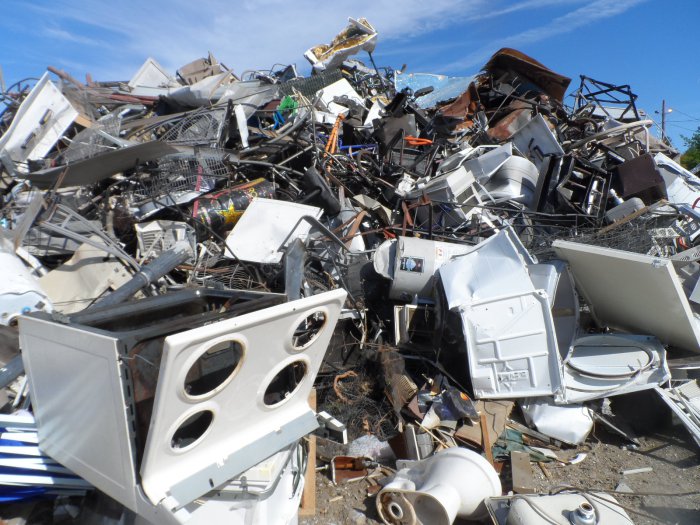
The most challenging aspect of Zero Waste is not the obvious trash, but the “difficult-to-recycle” items. This requires a technical understanding of materials and local infrastructure.
Hazardous Waste and E-Waste
In our tech-driven society, **Home Security** systems, laptops, and smartphones eventually reach their end of life. E-waste contains toxic components like lead, mercury, and cadmium. Proper disposal is not just a suggestion; it is a safety imperative. Zero Waste practitioners must identify community hubs or specialized facilities that accept batteries, light bulbs, and electronics. This is often where **Community Living** intersects with logistics—knowing where to take items that cannot go in the curbside bin.
The Science of Rot: Advanced Composting
**Gardening Tips** and **Urban Gardening** are incomplete without a discussion on composting. Technically, composting is the controlled aerobic decomposition of organic matter. It requires a balance of:
1. **Greens (Nitrogen):** Food scraps, grass clippings.
2. **Browns (Carbon):** Dried leaves, paper, cardboard.
3. **Oxygen and Moisture.**
Mastering **Plant Care** involves creating this “black gold.” For apartment dwellers, vermicomposting (using worms) or Bokashi (anaerobic fermentation) are technical solutions to manage organic waste without a backyard. This connects directly to **Food & Cooking**; by understanding that food scraps are a resource, **Meal Planning** becomes a cycle of nourishment for both the family and the soil.
Textiles and the Fashion Industry
**Fashion News** is increasingly dominated by the crisis of textile waste. **Sustainable Fashion** is about more than buying organic cotton; it is about circularity. Synthetic fibers (polyester, nylon) shed microplastics when washed. A technical approach to **Cleaning Tips** involves using washing bags that capture these fibers. Furthermore, **Natural Cleaning** solutions (vinegar, baking soda) protect garments from harsh chemicals, extending their lifespan. When clothes do wear out, knowing how to repair them or where to recycle textiles (which can be shredded into insulation) is vital.
Section 3: Lifestyle Integration and Holistic Health
Zero Waste is not merely a logistical challenge; it is a lifestyle overhaul that touches upon **Mental Health**, **Mindfulness**, and physical well-being.
The Psychology of Minimalism
**Minimalism** and **Decluttering** are often gateways to Zero Waste. The psychological burden of clutter is well-documented. By adopting **Organization Tips** that prioritize “less is more,” individuals often find reduced anxiety and better **Stress Management**. This aligns with **Meditation** and **Yoga News**, where the focus is on intentionality. A Zero Waste mindset encourages us to pause before purchasing, asking if the item is truly necessary, thereby breaking the dopamine loop of consumerism.
Nutrition and the Zero Waste Kitchen
In the kitchen, **Healthy Recipes** and **Nutrition News** converge with sustainability. Processed foods usually come in non-recyclable packaging. By switching to whole foods purchased in bulk using reusable containers, one automatically improves their diet.
* **Case Scenario:** Buying dried beans in bulk vs. canned beans. The bulk option is cheaper, packaging-free, and avoids the BPA often found in can linings.
* This shift supports **Holistic Health** and **Alternative Medicine** principles, viewing food as preventative medicine.
Beauty and Self-Care
**Beauty & Skincare** generate massive amounts of plastic waste. The “skinimalism” trend—using fewer, higher-quality products—is a Zero Waste victory. **Natural Beauty** enthusiasts are turning to solid shampoo bars, refillable makeup, and DIY masks. This also impacts **Sleep Health**; switching to natural, breathable fibers for bedding (linen, organic cotton) reduces microplastic exposure and improves sleep quality.
Family and Social Dynamics
**Parenting Tips** in a Zero Waste context involve teaching children the value of resources. **Family Life** becomes an educational journey. For **Pet Care**, it means choosing biodegradable poop bags or making toys from old t-shirts. However, social friction can occur. **Relationships** require navigation when partners have different views on sustainability. It is essential to approach this with patience, focusing on **Social Impact** rather than perfection.
Section 4: Strategic Implementation, Pros, and Cons
Adopting this lifestyle requires a strategic approach akin to **Career Advice**: set goals, measure progress, and adapt.
The Pros: Why Make the Switch?

1. **Economic Resilience:** As mentioned in **Investment News**, reducing dependency on single-use items insulates a household from inflation on consumer goods.
2. **Health Benefits:** Reducing exposure to plastics reduces exposure to endocrine disruptors.
3. **Community Connection:** Engaging with local repair cafes, farmers’ markets, and swap meets fosters **Community Living** and **Volunteering**.
4. **Travel:** **Travel Tips** for the zero-waster (bringing a water bottle, reusable cutlery) make **Travel News** less about consumption and more about experience.
The Cons and Challenges
1. **Time Intensity:** Making **Healthy Recipes** from scratch or repairing items takes time, challenging **Work-Life Balance**.
2. **Accessibility:** Not everyone lives near a bulk store or a specialized recycling center. This is a real issue in **Senior Living** or for those with mobility issues.
3. **Initial Cost:** The “green premium” on sustainable goods can be a barrier, though **Budget Tips** can mitigate this over time.
Recommendations for Success
* **Start Small:** Do not overhaul the whole house at once. Start with **Natural Cleaning** products or a **Reading** list of **Book Reviews** on sustainability to educate yourself.
* **Use Technology:** Utilize apps to find local recycling centers or to buy/sell second-hand goods (a mix of **Technology for Home** and **Fashion News**).
* **Engage in Hobbies:** **Hobbies** like sewing, woodworking, or gardening are inherently low-waste and high-skill.
* **Focus on Cultural Events:** Shift entertainment from shopping to **Cultural Events** and **Entertainment News** that focus on experiences rather than material acquisition.
Conclusion: The Future of Responsible Living
Zero Waste is a technical, logistical, and philosophical framework that offers a pathway to a more sustainable future. It intersects with every aspect of our lives, from **Aging Well** to **Pet Care**, and from **Outdoor Living** to **Financial Planning**. By understanding the complexities of waste streams—including the difficult-to-recycle items—and leveraging community resources, individuals can make a profound impact.
This journey is the ultimate form of **Personal Development**. It challenges us to be more mindful, more resourceful, and more connected to the physical world. As we look for **Lifestyle News** that matters, the transition to a circular economy stands out as the most critical shift of our time. Whether you are motivated by **Fitness Tips**, **Interior Design**, or simply the desire to leave a lighter footprint, the principles of Zero Waste provide the blueprint for a life lived with intention and integrity.
You may also like



Leave a Reply