

The Cardiovascular Renaissance: Integrating Yoga and Breathwork for Arrhythmia Management and Stress Reduction
Introduction
In the rapidly evolving landscape of modern medicine, the intersection between ancient practices and cutting-edge cardiology is becoming increasingly significant. As global stress levels rise due to the demands of modern living—ranging from the pressures of Remote Work to the complexities of Financial Planning—the impact on cardiovascular health has become a focal point for researchers and physicians alike. Yoga News outlets and medical journals are frequently highlighting a critical correlation: the physiological link between chronic stress and heart rhythm disorders, specifically arrhythmias such as Atrial Fibrillation (AFib).
While traditional pharmacological interventions remain the cornerstone of cardiac care, there is a paradigm shift toward Holistic Health and Alternative Medicine as vital adjunctive therapies. The heart is not merely a mechanical pump; it is an organ deeply responsive to the autonomic nervous system. When the body is in a constant state of “fight or flight,” the risk of electrical instability in the heart increases. This article delves into the technical mechanisms by which gentle yoga, specialized breathing exercises (pranayama), and Mindfulness meditation can serve as powerful tools to mitigate these risks. By exploring the synergy between Mental Health and cardiac physiology, we can uncover actionable strategies for Aging Well and maintaining a robust heart rhythm.
Section 1: The Physiology of Stress and the Heart-Brain Axis
The Autonomic Nervous System Imbalance
To understand why Stress Management is critical for heart health, one must first understand the autonomic nervous system (ANS). The ANS is comprised of two primary branches: the sympathetic nervous system (SNS), which drives the stress response, and the parasympathetic nervous system (PNS), which governs the “rest and digest” functions. In a healthy individual, these systems exist in a dynamic equilibrium. However, the relentless pace of modern life often keeps the SNS in overdrive.
When the SNS is chronically activated, the body is flooded with catecholamines like adrenaline and cortisol. For a patient prone to arrhythmias, this chemical cocktail is dangerous. It shortens the refractory period of cardiac cells, making the heart more susceptible to premature beats and disorganized rhythms. This is where the concept of Self-Improvement transitions from a psychological goal to a physiological necessity. Reducing sympathetic overdrive is not just about feeling calm; it is about stabilizing the electrical properties of the myocardium.
The Vagus Nerve Connection
Central to the efficacy of yoga in this context is the Vagus nerve. This cranial nerve acts as the primary highway for the parasympathetic nervous system. Recent Fitness Tips and medical studies suggest that stimulating the Vagus nerve can increase heart rate variability (HRV)—a key marker of cardiovascular resilience. Low HRV is often associated with poor heart health and higher stress, while high HRV indicates a responsive, adaptable heart.
Yoga and controlled breathing are among the most effective non-invasive methods to stimulate Vagus nerve activity. Unlike high-intensity interval training, which might be too taxing for someone with a compromised heart rhythm, gentle yoga focuses on the synchronization of movement and breath. This synchronization acts as a brake on the stress response, effectively dampening the triggers that can lead to an AFib episode. This biological mechanism explains why Yoga News is increasingly reporting on cardiologists prescribing yoga mats alongside beta-blockers.
Section 2: Therapeutic Modalities: Yoga, Breathwork, and Meditation
Asana: Gentle Movement for Cardiac Stability
When discussing yoga for heart rhythm disorders, the focus is on restorative and gentle Hatha styles rather than vigorous Vinyasa flows. The goal is to reduce cardiac workload while improving circulation. Poses such as Viparita Karani (Legs-Up-the-Wall) are celebrated in Health & Wellness circles for their ability to facilitate venous return, reducing the strain on the heart. Similarly, Supta Baddha Konasana (Reclining Bound Angle Pose) helps open the chest and encourages deep, diaphragmatic breathing.

It is important to approach these physical practices with the same precision one might apply to Home Improvement or DIY Projects—measure twice, cut once. In this context, it means listening to the body’s biofeedback. Poses that compress the abdomen or require excessive holding of the breath (Valsalva maneuver) should be avoided, as they can spike blood pressure. Instead, the emphasis is on fluid movements that promote a state of ease, aligning with the principles of Personal Development where patience and consistency yield the best results.
Pranayama: The Science of Breath
Breathing exercises, or Pranayama, are perhaps the most potent tools for arrhythmia management. Techniques such as Nadi Shodhana (Alternate Nostril Breathing) and Bhramari (Humming Bee Breath) have been shown to lower blood pressure and reduce heart rate. From a technical standpoint, slow, deep breathing (less than 10 breaths per minute) enhances the baroreflex sensitivity—the body’s natural mechanism for regulating blood pressure.
This practice is accessible to everyone, regardless of physical ability. Whether you are taking a break from Gardening Tips in the backyard or pausing during a busy day of Meal Planning, five minutes of coherent breathing can reset the heart’s rhythm. It acts as a manual override for the nervous system, shifting the body from a state of alert to a state of recovery. This is a crucial component of Sleep Health as well, as many arrhythmias are triggered by sleep apnea or poor sleep quality.
Meditation and Mindfulness
Meditation affects the brain’s structure, specifically the amygdala, which is the fear center of the brain. By shrinking the amygdala and thickening the prefrontal cortex through regular practice, individuals can dampen their emotional reaction to stress. For heart patients, this is vital. The fear of an arrhythmia episode can often trigger the episode itself—a vicious cycle known as “cardiac anxiety.”
Incorporating mindfulness into daily routines—whether during Pet Care duties like walking the dog or while engaging in Creative Hobbies like painting—creates a buffer against stress. It allows patients to observe their heart palpitations without immediate panic, preventing the adrenaline surge that exacerbates the condition.
Section 3: Lifestyle Integration and Environmental Factors
Creating a Heart-Healthy Environment
The benefits of yoga and meditation are amplified when practiced in a conducive environment. This brings Interior Design and Home Decor into the conversation of health. Creating a “Zen zone” in your home—a space dedicated to quiet reflection—can significantly improve adherence to a yoga practice. This doesn’t require a massive budget; simple Organization Tips and Decluttering can create a peaceful corner free from visual chaos. Incorporating elements of Biophilic Design (bringing the outdoors in) aligns with Green Living and can lower cortisol levels simply by visual association with nature.
Furthermore, Smart Home technology can assist in this journey. Smart lighting that adjusts to circadian rhythms and devices that monitor air quality contribute to a healthier living space. Technology for Home now includes advanced biofeedback sensors that can track HRV during meditation, providing tangible data on how your practice is improving your heart health.
Nutrition and Sustainable Living
Yoga philosophy often extends to diet (Sattva), emphasizing fresh, light, and nourishing foods. Nutrition News consistently supports a plant-forward diet for heart health, which aligns perfectly with the yogic lifestyle. Healthy Recipes rich in magnesium and potassium are essential for maintaining proper electrical signaling in the heart. Integrating Sustainable Living practices, such as growing your own herbs (Urban Gardening) or shopping at local markets, fosters a deeper connection to what we consume.

This holistic approach also touches on Zero Waste and Eco-Friendly Living. By choosing whole foods over processed, packaged goods, we reduce environmental impact while simultaneously reducing sodium intake—a major trigger for hypertension and arrhythmias. It is a synergy where Personal Finance (saving money on processed foods) meets Physical Health.
Work-Life Balance and Social Connection
Stress often stems from a lack of Work-Life Balance. Integrating “desk yoga” or short meditation breaks into the workday can prevent the cumulative buildup of stress. For those in Senior Living communities or those focused on Aging Well, group yoga classes offer a dual benefit: physical stability and social connection. Loneliness is a known risk factor for heart disease; therefore, the Community Living aspect of yoga studios or local groups provides a protective psychological effect.
Even Travel News suggests a trend toward “wellness tourism,” where vacations are centered around retreat and rejuvenation rather than exhaustion. Travel Tips for heart patients now often include maintaining their meditation practice while on the road to manage the stress of transit.
Section 4: Practical Recommendations and Considerations
Developing a Safe Practice
Before rolling out the mat, consulting with a healthcare provider is non-negotiable, especially for those with diagnosed heart conditions. Once cleared, here is a structured approach to integrating these therapies:
- Start Slow: Begin with 10-15 minutes of restorative poses. Avoid inversions where the head is below the heart if you have uncontrolled high blood pressure.
- Monitor the Breath: If you cannot breathe smoothly through the nose, back out of the pose. The breath is the barometer of strain.
- Use Props: Utilize blocks, straps, and bolsters. This isn’t about flexibility; it’s about relaxation. This aligns with Budget Tips—you don’t need expensive gear, household items like blankets work well.
- Consistency over Intensity: A daily 15-minute session is more beneficial for the nervous system than a sporadic 90-minute class.
Pros and Cons of Complementary Therapy
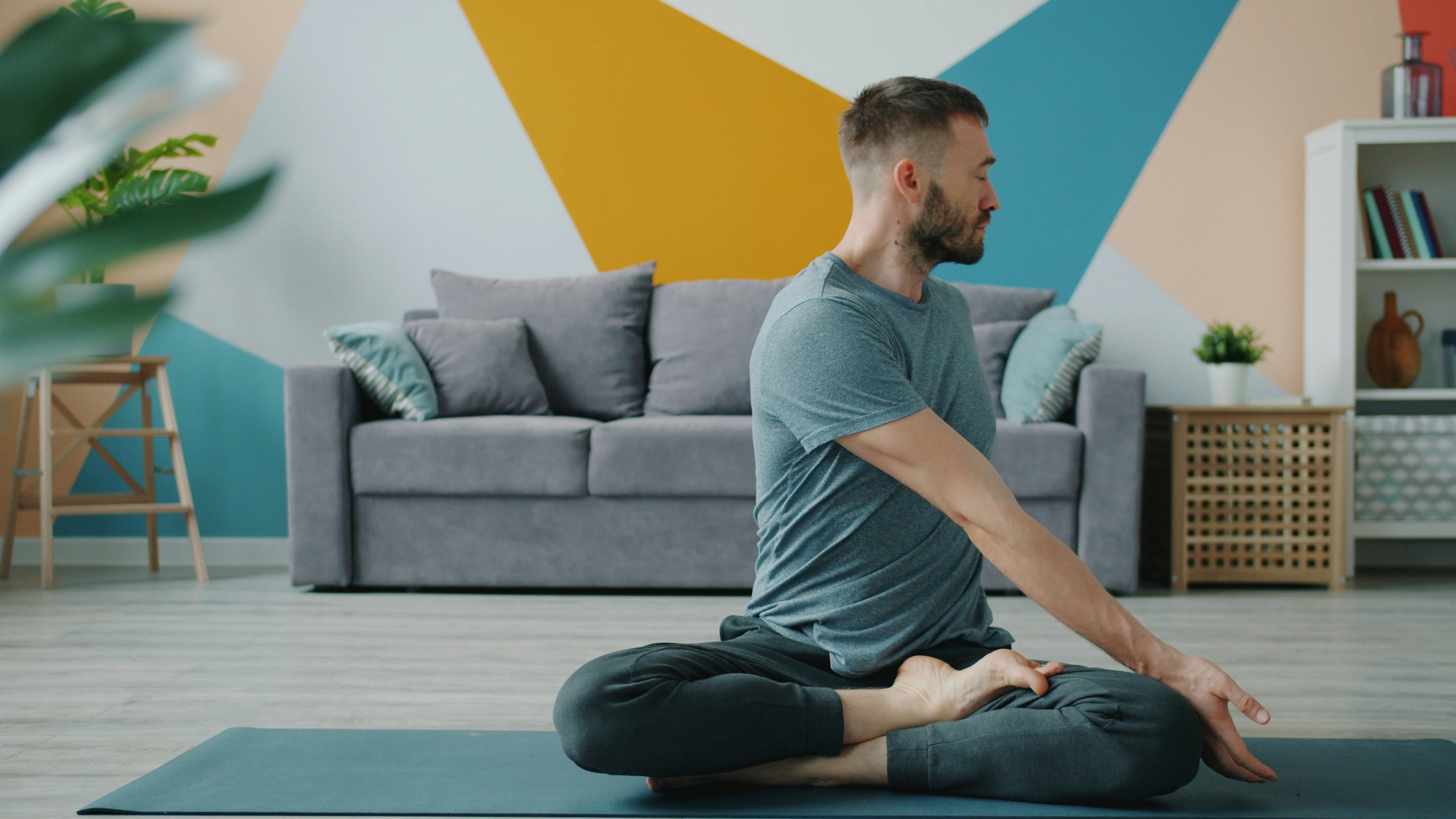
Pros:
The benefits extend beyond the heart. Practitioners often report better Sleep Health, improved Relationships due to better emotional regulation, and increased energy for Family Life and Parenting Tips implementation. It is a low-cost intervention that fits well into Financial Planning strategies for healthcare costs. Additionally, the focus on breath can improve lung capacity, beneficial for those interested in Outdoor Living and active Hobbies.
Cons/Risks:
The primary risk is the “replacement fallacy”—believing yoga can replace medication. It is a complementary therapy, not a substitute. Furthermore, “Hot Yoga” or power yoga can be dangerous for arrhythmia patients due to heat stress and electrolyte loss. One must be discerning, perhaps reading Book Reviews on therapeutic yoga or seeking specialized instructors.
The Role of Technology and Gear
While yoga is minimalist, the right tools help. Fashion News in the activewear sector is increasingly focusing on Sustainable Fashion—breathable, organic fabrics that don’t trap heat, which is crucial for heart patients regulating body temperature. Beauty & Skincare routines can also be ritualized around the practice, using Natural Beauty products with calming scents like lavender to enhance the relaxation response.
Conclusion
The integration of gentle yoga, breathwork, and meditation into the management of heart rhythm disorders represents a holistic evolution in cardiac care. By addressing the root cause of physiological stress, patients can empower themselves to take an active role in their health outcomes. This journey touches every aspect of life—from Nutrition News and Sleep Health to Home Organization and Mental Health.
As we navigate a world filled with stressors, from Investment News volatility to the fast pace of Technology for Home advancements, finding a grounding anchor is essential. Yoga offers that anchor. It teaches us that while we cannot always control the external environment or even the electrical misfires of the heart, we can control our response to them. By fostering a state of inner calm, we create a physiological environment where the heart can thrive, proving that the path to a healthy rhythm is as much about the mind as it is about the muscle.
You may also like



Leave a Reply